

The Bank of Ghana could resume cutting its policy rate at its final Monetary Policy Committee meeting of 2026, but the decision will depend largely on the outlook for fuel and other energy-related costs and their impact on inflation expectations
The MPC has kept the policy rate at 14% for three consecutive meetings, adopting a cautious approach as recent increases in energy, utility and transport costs create fresh risks to the inflation outlook.
Although headline inflation remains relatively low, Databank Research says this alone may not be enough to trigger another rate cut. The key consideration will be whether recent cost pressures are temporary or could become more persistent and begin to influence inflation expectations.
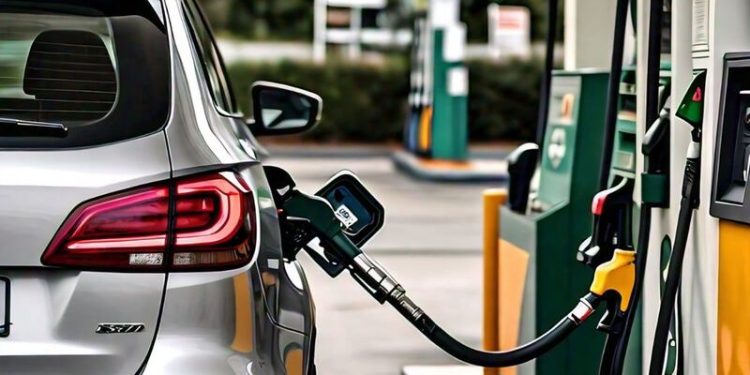
A sustained reduction in fuel and related transport costs could ease pressure on businesses and households, helping to keep inflation expectations anchored and creating more room for the MPC to resume monetary easing.
The analysts view the latest decision to maintain the policy rate at 14% as a risk-management pause rather than a fundamental change in the disinflation outlook
Underlying inflation remains contained, and the real policy rate remains firmly positive. However, higher energy, utility and transport costs could generate second-round effects if businesses pass the increased costs on to consumers.
The MPC will also be watching developments in the foreign exchange market and Ghana’s external buffers. A stable cedi could help contain imported inflation, while stronger foreign exchange reserves would provide greater protection against external shocks.
For the November meeting, the key question will therefore be whether recent cost pressures, particularly those linked to fuel and energy, are easing sufficiently to keep inflation expectations anchored.
A resumption of rate cuts will likely require clearer evidence that fuel-related price pressures are moderating, inflation expectations remain well anchored, the exchange rate is stable, and Ghana’s external buffers are improving.