


Felix Kwakye Ofosu, Minister of State in charge of Government Communications, has said members of President John Dramani Mahama’s newly established Presidential Advisory Group on the Economy (PAGE) will not receive any remuneration for their services.
Speaking on the Joy Super Morning Show on Friday, January 16, Mr Kwakye Ofosu explained that the advisory group comprises distinguished professionals who are not government employees.
“As we speak, I am not certain about any remuneration.
They are not permanent employees,” he said. “Many of these people are already engaged in other activities. Some people are lecturing at universities and are already on the public payroll, so I am not aware of any additional remuneration for them.”
The advisory group, he added, will determine the frequency of its meetings and other modalities independently.
“What is certain is that they will keep a close eye on the economy and ensure that the policies being implemented benefit the generality of our people,” Mr Kwakye Ofosu said.
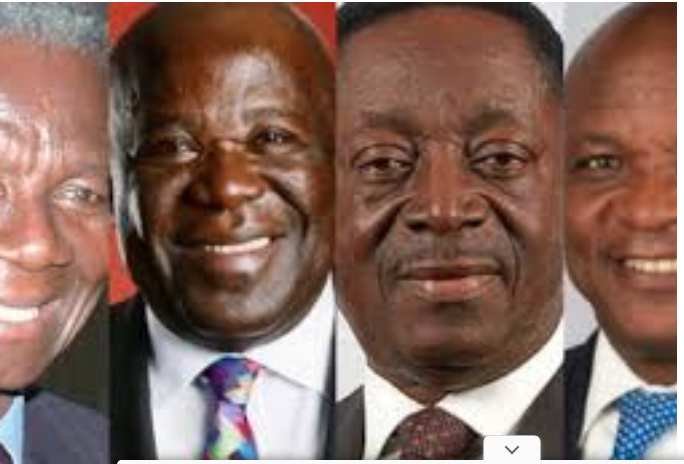
The PAGE includes prominent Ghanaian figures such as economist and private sector leader Kwame Pianim, former Governor of the Bank of Ghana and Finance Minister Dr Kwabena Duffuor, industrialist Sir Samuel Esson Jonah, private sector leader Ishmael Yamson, and former Deputy Minister for Finance and Trade Nana Oye Mansa Yeboaa.
Other members are former World Bank infrastructure specialist and agribusiness investor Mr Ato Brown; former Governor of the Bank of Ghana Dr Henry A. Kofi Wampah; economist and private sector leader Togbe Afede XIV; Chief Executive Officer of the Ghana Stock Exchange Ms Abena Amoah; University of Ghana professor Prof. Priscilla Twumasi Baffour; and University of Ghana professor Prof. Patience Aseweh Abor.
“They are not in here to make a quick buck,” Mr Kwakye Ofosu stressed. “They have been called upon to put their expertise at the disposal of the nation because we require a firm hand in the way our economy is managed.”
The Presidency said the group will provide strategic counsel on macroeconomic management, fiscal consolidation and debt sustainability, as well as coherence between fiscal and monetary policy.
Its mandate also covers advice on structural transformation, industrial development, competitiveness and export-led growth, in addition to guidance on sectoral development, private sector expansion, investment mobilisation and sustainable job creation.