

Ghana was plunged into mourning on Wednesday after a military helicopter carrying top government officials crashed en route to Obuasi, killing all eight people on board.
The tragic twist: President John Dramani Mahama was originally scheduled to lead the delegation — but did not board the ill-fated flight.
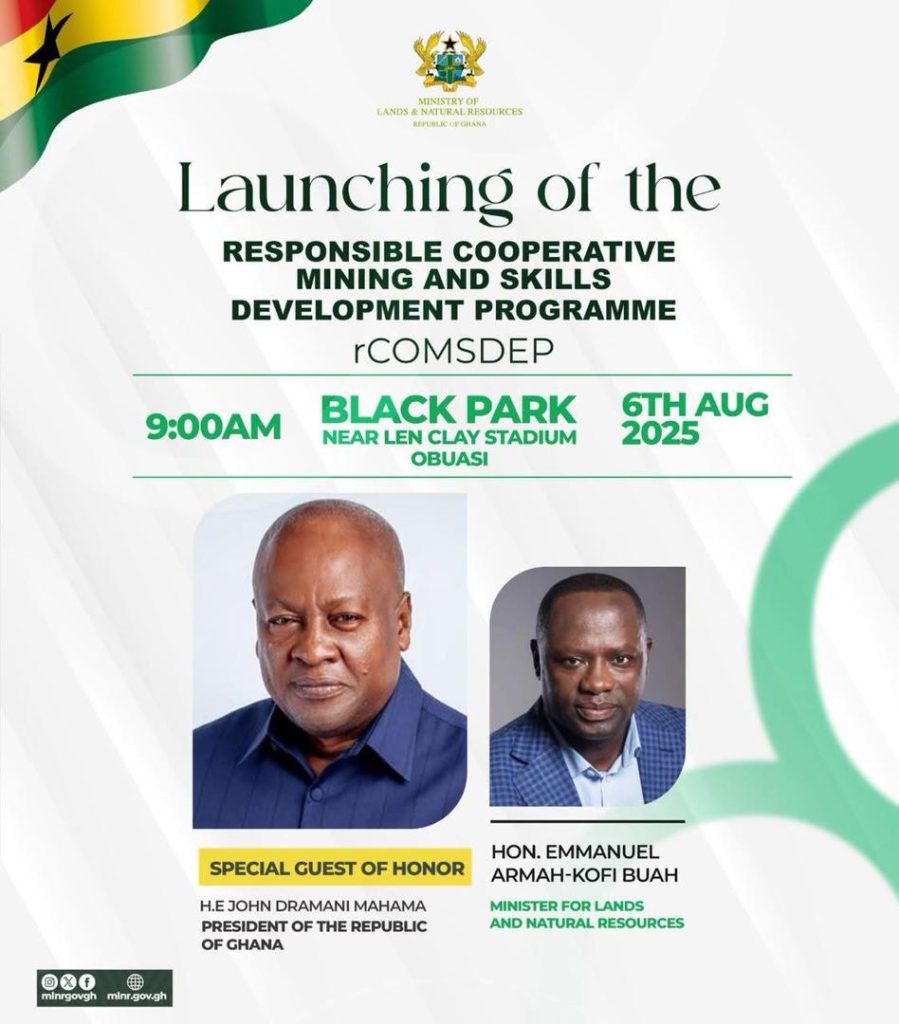
The Ghana Air Force Z‑9 helicopter took off from Accra at approximately 7:45 a.m., bound for the official launch of the Responsible Cooperative Mining and Skills Development Programme (rCOMSDEP) near the Len Clay Stadium in Obuasi.
The event was designed as a major government intervention in the fight against illegal mining, popularly known as galamsey, with the President listed as the headline speaker.
However, Mahama’s travel plans were revised at the last minute — a decision that may have saved his life.
Those who boarded the aircraft were not so fortunate. Among the deceased are Defence Minister Dr. Edward Omane Boamah, Environment Minister Dr. Ibrahim Murtala Mohammed, Acting Deputy National Security Coordinator Alhaji Muniru Mohammed Limuna, NDC Vice Chairman and former Ashanti Regional Minister Dr. Samuel Sarpong, and former parliamentary candidate Samuel Aboagye. Three military personnel—Squadron Leader Peter Anala, Flying Officer Manaen Twum Ampadu, and Sergeant Ernest Addo Mensah—also died in the crash.
The helicopter lost communication with air traffic control shortly after entering the Ashanti Region. Residents of Adansi Brofoyedu reported hearing an explosion before discovering burning wreckage in a forested area.
Authorities later confirmed that the aircraft was completely engulfed in flames, leaving no survivors.
The exact cause of the crash remains under investigation, with preliminary considerations pointing to possible technical failure or adverse weather conditions.
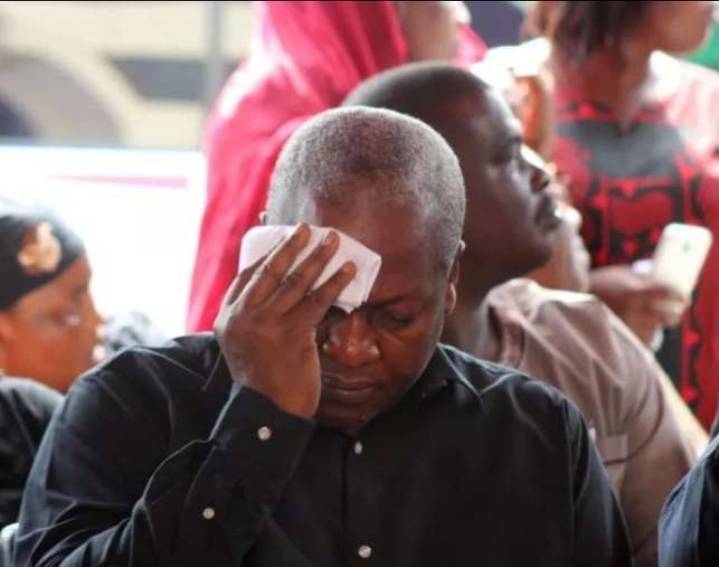
President Mahama, visibly shaken, suspended all public engagements and directed national flags to fly at half-mast.
“This is a devastating loss to our country,” he said in a statement. “These were not just colleagues, they were patriots who died in service to Ghana.” The nation is expected to observe a period of mourning as tributes pour in from across the political divide and beyond Ghana’s borders.
For many, the tragedy is not only a loss of key leadership — but also a chilling reminder of how narrowly the country’s Commander-in-Chief escaped what could have been a national catastrophe beyond measure.