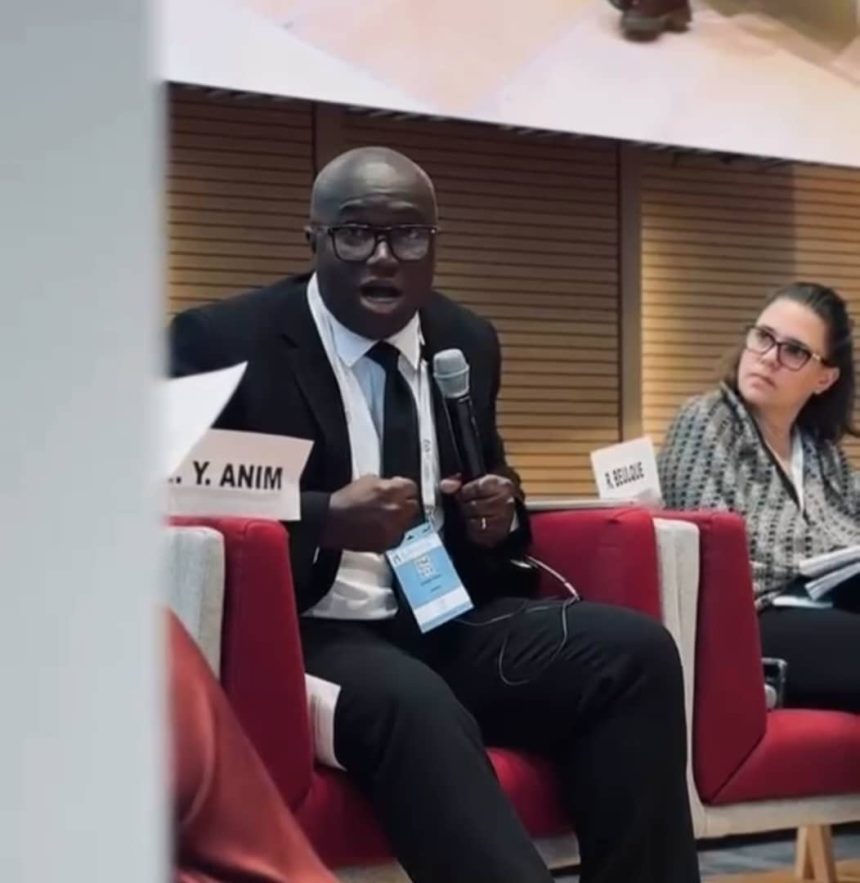

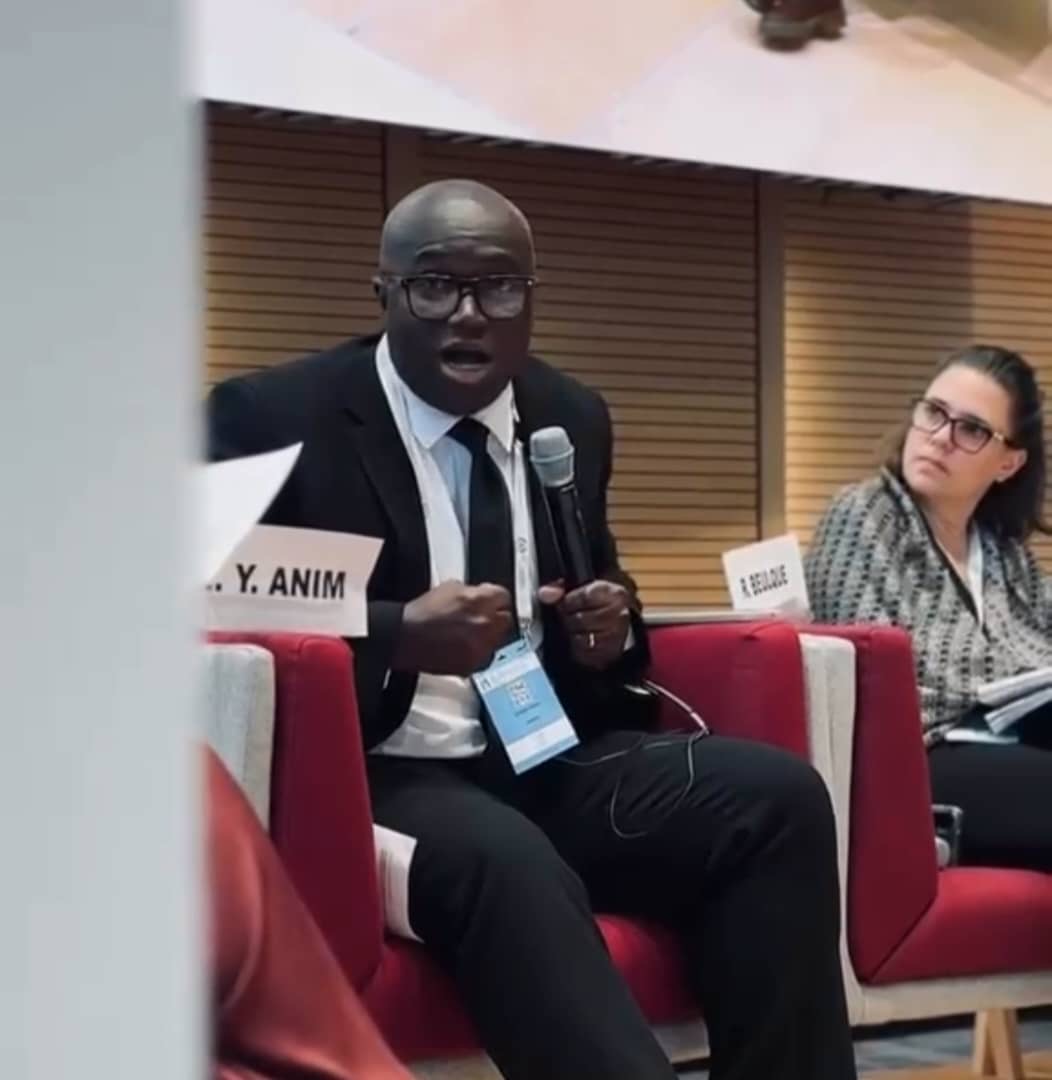

The Chairman of Parliament’s Human Rights Committee, Ernest Yaw Anim, has urged parliaments worldwide to make better use of their existing committees, hearings and oversight procedures to address human rights challenges rather than routinely creating new institutions.
Speaking at the Inter-Parliamentary Union (IPU) Global Parliamentary Conference on Human Rights in Geneva, Switzerland, the Kumawu MP said effective human rights protection depended largely on how legislatures exercised their existing powers and followed up on commitments.
Mr Anim made the remarks while presenting the principal conclusions and recommendations from the conference’s opening and thematic sessions.
He said discussions at the conference had highlighted practical ways parliaments could strengthen their response to human rights concerns, including monitoring government commitments, demanding evidence of progress and involving affected communities in reviewing laws and policies.
“A recurring lesson is that effective action does not always require creating new institutions. Existing committees, hearings, budget debates and oversight procedures can often be put to better use,” he said.
“What matters is assigning responsibility, asking for evidence of progress and returning to issues after the initial debate has ended,” he added.
Mr Anim said the recommendations were not intended as a universal prescription for every legislature but offered practical options that parliaments could adapt to their respective national circumstances.
Six recommendations for parliaments
Among the six key recommendations from the IPU Secretary-General’s opening session was the need to make human rights the responsibility of the entire Parliament rather than leaving the issue to a single committee.
The recommendations also called for greater parliamentary involvement in international human rights processes, including United Nations reviews, as well as stronger follow-up on recommendations through legislative scrutiny and budget oversight.
Parliaments were further encouraged to protect parliamentarians, civic space and open debate by strengthening institutional safeguards and ensuring political disagreements do not result in abuse or intimidation.
On inclusion, the recommendations called for legislatures to become more accessible and better equipped to scrutinise emerging human rights risks.
They also highlighted the need for parliamentary laws and oversight to keep pace with artificial intelligence (AI), particularly to guard against discrimination, excessive surveillance and decisions made without accountability.
The final recommendation focused on the rights of children and migrants, urging parliaments to provide protective legislation, adequate budgetary support and opportunities for children to be heard, while maintaining principled oversight of migration policies.
Mr Anim said the discussions underscored the importance of moving beyond international commitments to practical implementation through sustained parliamentary oversight, evidence-based scrutiny and inclusive participation.